
Inter Caste Marriage in Pakistan: What Really Happens
The religious position (short: it is permitted), the legal position (short: it is permitted), and the social reality (harder). A practical guide for couples and families navigating an inter-caste rishta.

The religious position, briefly
Islam does not recognise caste as a determinant of who may marry whom. Surah Al-Hujurat 49:13 makes the theological position explicit: humans are made in nations and tribes to know one another, and the criterion of nobility is taqwa, not lineage. The Prophet's own family arrangements illustrated the same rule; his marriage of Zaid ibn Haritha to Zainab bint Jahsh crossed the sharpest class line of the Arabian society of that time.
The Council of Islamic Ideology has consistently stated that biradari and caste are cultural constructs with no religious authority. Any qualified mufti will confirm the same. When a family invokes "our biradari does not allow this", they are stating a preference, not citing a ruling.
The legal position
The Muslim Family Laws Ordinance 1961 governs nikah procedure in Pakistan. It requires: two adult consenting Muslim parties, two witnesses, and registration with the Union Council. It does not require caste alignment, family approval, or biradari sanction. An adult Pakistani woman's consent is legally sufficient for her own nikah; the wali requirement varies by school of thought but does not extend to a caste veto.
Court marriage is a legal fact where family opposition would otherwise block a nikah. It is neither sinful nor illegal; it is the fallback the law provides for adult consent. That said, court marriage as a first choice (rather than a fallback) usually damages family relationships in ways that harm the couple long-term. Try mediation first; treat court as the fallback.
The social reality
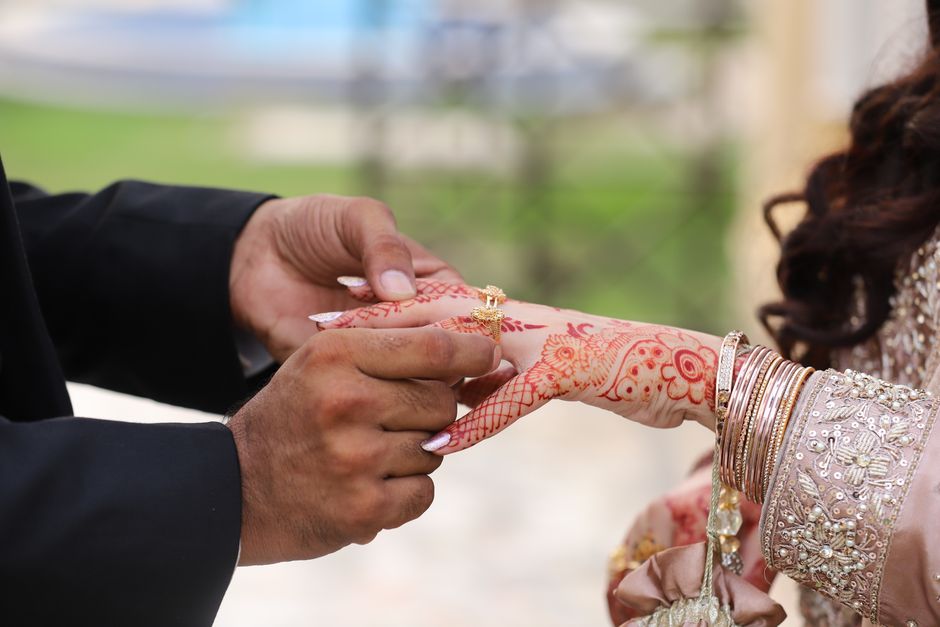
What actually happens is regional and generational. Urban educated families in Karachi, Lahore, and Islamabad now match across biradari lines regularly, especially where the professional match is strong (both doctors, both engineers, both academics). Rural and small-town Pakistan remains largely endogamous; interior Sindh, southern Punjab, and much of KP still expect biradari-internal matching.
The most difficult friction is not caste itself but hierarchy. A Rajput family marrying a Butt family faces less resistance than a Syed family marrying a candidate with no ashraf lineage claim, or a landowning Jat family marrying a Kammi caste. Some caste combinations still carry heavy stigma, particularly in interior rural districts. Being honest about which combination you are navigating helps set realistic expectations for the family conversation.
Approaching the family
The sequence that works most often:
- Pick the messenger. The first person to raise the proposal with parents should not be the candidate. A respected uncle, an imam, a long-standing family friend of standing carries the ask better than a nervous child.
- Lead with strengths, not caste. Present the candidate on education, character, family situation, deeni practice. The caste question comes up on its own; do not open with it.
- Give parents time. Most parents move from "absolutely not" to "let us think about it" to "let us meet the family" over weeks. Rushing this timeline usually collapses it.
- Meet the family. One in-person visit changes more than ten arguments. The parents' fears are usually less about caste and more about "what is this other family like".
- Keep the door open. Even families who initially refuse often come around after 3-6 months if the couple is patient and does not go silent.
Ultimatums. "Approve or we will elope" almost always hardens opposition and closes doors for the wider family too. The pace can be slow, but that pace is doing work.
The legal fallback
Where family opposition is severe, ongoing, and shows no signs of shifting after 6-12 months of good-faith mediation, court marriage becomes an option. The Ministry of Human Rights operates helplines and legal aid channels. Provincial women's protection legislation (Punjab 2016, Sindh 2013) provides shelter access where safety is a concern.
Two rules if you use court marriage: do it with legal representation, and do it after the safety planning conversation, not before. Retaliation against couples who marry against family wishes is real; take it seriously.
Finding an inter-caste match
Traditional bureaus and family networks concentrate matches within biradari; that is their default. Online matrimonial platforms are structurally more open. QuickRishta lets you filter or NOT filter by biradari; the same platform that lets a Syed family filter to Syed matches lets an inter-caste-open family ignore biradari entirely. See the family role guide for the family dynamics, and browse verified profiles to see the pool without a biradari filter applied.
A safeguarding note
If you or a family member is being coerced into or out of a marriage against your will, the situation is serious enough that this article stops being a guide and starts being a signpost. Contact the Ministry of Human Rights helpline, a legal aid provider, or a trusted community elder outside the immediate family. Do not stay silent. Consent, both to marry and not to marry, is the non-negotiable Islamic and legal principle at the centre of this whole topic.
Frequently asked questions
Is inter-caste marriage allowed in Islam?
Yes. Surah Al-Hujurat 49:13; the Prophet's own family arrangements. Biradari is cultural, not religious.
Is it legal?
Yes. MFLO 1961 governs nikah; caste is not a factor at any stage.
How common is it?
Increasingly common in urban educated Pakistan; still rare in rural areas and strongly biradari-bound communities.
How do we convince our parents?
Sequence matters: respected mediator first, present on non-caste strengths, give time and dignity, avoid ultimatums.
Filter or ignore biradari on QuickRishta
The platform respects whichever your family chose. Filters are optional at every step.