
Arranged Marriage in Pakistan: How It Actually Works Today
The full end-to-end sequence of a modern Pakistani arranged marriage, corrected for the two biggest misconceptions (that it means forced, that couples never meet), with realistic timeframes and a note on what has genuinely changed in the last decade.
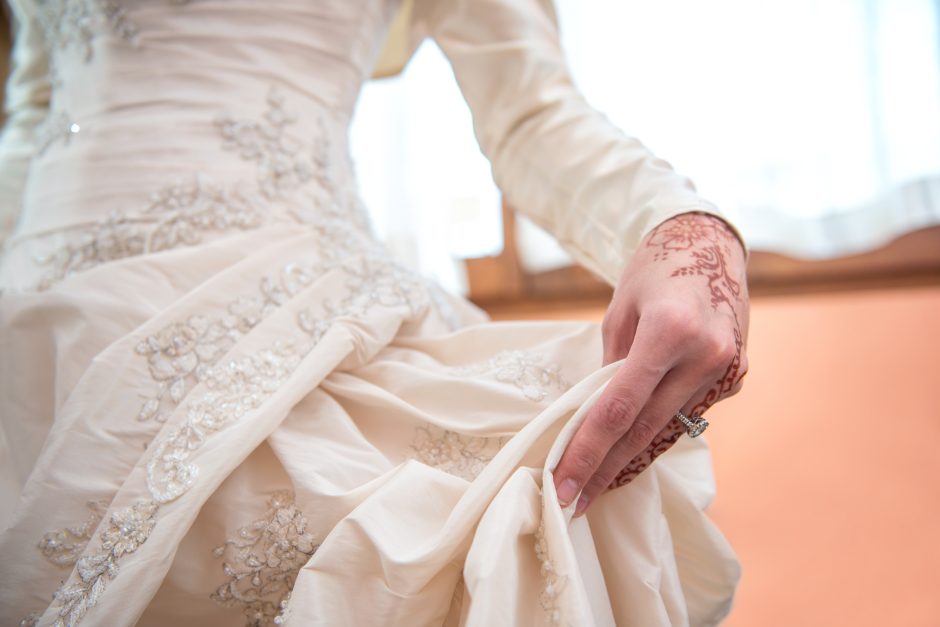
What arranged marriage actually means in Pakistan today
An arranged marriage in modern Pakistan is a match where the family plays an active role in identifying, introducing, and vetting candidates. The candidate herself or himself still holds the final decision. The bride and groom typically meet, converse, and either accept or refuse; the family runs the search that produces the option.
This is often confused with two very different things: forced marriage (compulsion, invalid under Islamic law, illegal under Pakistani law) and love marriage without family involvement (rare in Pakistan; culturally loaded). The dominant modern pattern is a middle path: the candidate has a say, the family opens the channels, and both sides converge on a decision together. QuickRishta was built around this reality, not around a Western dating framework.
The end-to-end sequence
The stages, with realistic time bands. Full detail is in the rishta search complete guide; the summary below sets the shape.
| Stage | What happens | Typical duration |
|---|---|---|
| Family alignment | Both sides agree criteria internally | 1-4 weeks |
| Discovery | Biodata circulated via family network, rishta wali, or online platform | Ongoing |
| First approach | Biodata exchange between two families | Days |
| Baithak | First family visit; brief supervised couple meeting | 60-90 min visit |
| Second meeting | Deeper discussion; couple conversation length usually doubles | Within 2-3 weeks |
| Background checks | Informal references, mutual acquaintances | 1-3 weeks |
| Istikhara + decision | Both sides make the yes/no call | 1-2 weeks |
| Mangni | Formal engagement | Event day |
| Nikah + rukhsati | Marriage contract signed; bride joins husband's household | 3-9 months after mangni |
The consent question, straight
Consent is not optional. The Prophet's guidance on the requirement of a woman's consent for her own nikah is unambiguous, and the Council of Islamic Ideology in Pakistan restates this consistently. A previously married woman must give explicit consent; a woman being married for the first time must not be objecting.
Pakistani statute reinforces this. Forcing a woman into marriage is criminal under the Pakistan Penal Code (sections addressing compulsion in marriage) and the Prevention of Anti-Women Practices Act. If you or someone you know is being pressured against their will, the Ministry of Human Rights operates helplines and legal aid channels, and provincial women's protection acts (Punjab 2016, Sindh 2013) provide statutory shelter and support.
Arranged: family suggests, candidate freely chooses. Forced: candidate opposes and is compelled. If a family conversation has moved from "we would like you to consider this" to "you will marry this person or else", it has crossed a line that both Islam and Pakistani law recognise.
Two misconceptions to retire
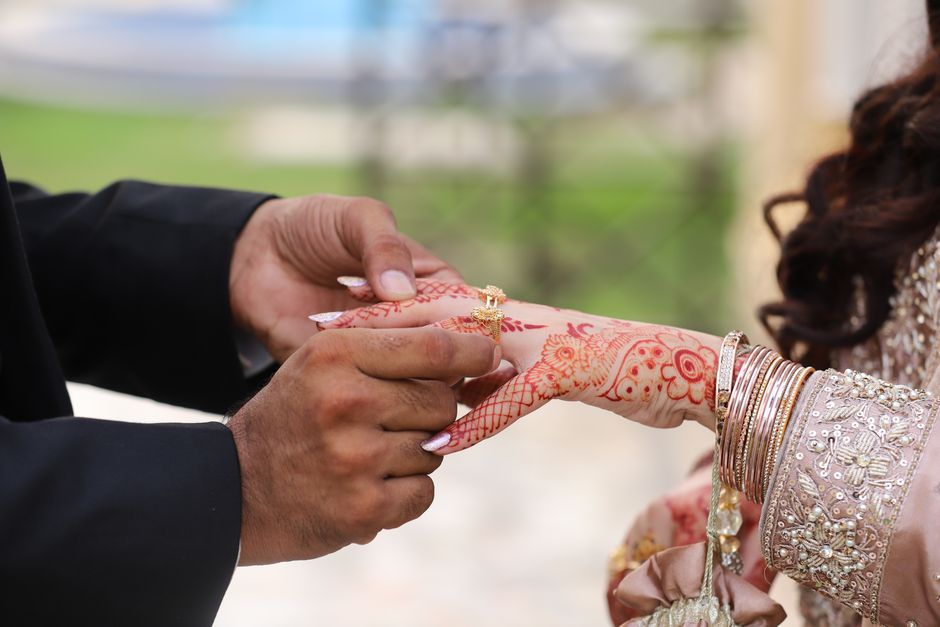
Misconception one: arranged = forced. Addressed above. Arranged marriage is family-facilitated introduction; forced marriage is compulsion. Conflating them insults the millions of Pakistani couples who chose their partners with family involvement.
Misconception two: the couple never meet. Contemporary practice includes at least two supervised family meetings, one or more video or phone conversations, and usually direct in-person conversation of some length before mangni. Very conservative families that skip this exist but are a minority. Overseas Pakistani families in particular often make several video calls part of the standard sequence.
What has genuinely changed
- Discovery channel. The rishta aunty still exists but is one of several channels now, alongside online platforms and community welfare committees. See our free rishta search guide for the six real channels available today.
- Meeting quality. The average length of couple conversation before engagement has grown from minutes to hours across most urban families.
- Family co-searching. Parents and siblings often manage or co-manage the online profile; the candidate reviews shortlisted matches. QuickRishta's family co-account supports exactly this pattern.
- Engagement length. Mangni-to-nikah has extended from typical 2-3 months to 3-9 months, allowing more thorough getting-to-know-each-other and less pressure at nikah day.
Arranged vs semi-arranged vs love marriage
| Type | Who identifies the candidate | Meeting cadence pre-nikah | Family involvement in decision |
|---|---|---|---|
| Arranged | Family | 2-4 supervised meetings | Central |
| Semi-arranged | Candidate suggests, family evaluates | Direct + family meetings | Advisory + veto |
| Love marriage (manpasand rishta) | Candidate | Extended prior relationship | Requested but not decisive |
Semi-arranged, sometimes called "assisted marriage", is now the majority pattern among urban Pakistani professionals under 35. The rishta search guide covers where a manpasand rishta fits in this framing.
Who actually decides
The candidate. Everyone else advises. This has always been the Islamic position and is increasingly the practised one. The family's role is to identify, vet, and support; the candidate's role is to meet, evaluate, and choose. When families reverse this and the candidate becomes the passive party, outcomes suffer measurably; when candidates skip the family entirely, outcomes also suffer. The middle path is why the arranged pattern has survived a century of social change.
If you are starting
- Read the 8-stage complete guide to see the whole journey.
- Open three discovery channels in parallel: family network, one bureau or rishta wali, and one online platform. Do not run them sequentially.
- Set expectations for the meeting cadence with family: 2-4 supervised meetings, honest conversation, no ambush proposals.
- Agree with the candidate up front that the final yes or no is theirs. This is both the Islamic position and the practical one.
Frequently asked questions
Is arranged marriage the same as forced marriage?
No. Arranged = family-facilitated introduction with candidate's consent. Forced = compulsion; invalid under Islamic law and criminal under Pakistani statute.
Do the couple meet before an arranged marriage?
Almost always. 2-4 supervised meetings plus video calls is the modern norm.
How long does it take?
3-12 months from first family visit to nikah. Very short is a warning sign; very long usually means one side is hedging.
What has changed in the last decade?
Online platforms as a discovery channel, longer couple conversations, family co-management of profiles, longer engagements.
Start your family search today
Family co-account access, biradari filters, and photo privacy: the online tools built for how Pakistani families actually run a rishta search.