
The Family Role in a Pakistani Rishta Search
How Pakistani families collaborate on matrimonial searches: profile creation, shortlisting, first meetings, background verification. Where family involvement helps versus where it becomes friction, and how to allocate roles explicitly.

Rishta search is a family process, not a candidate process
Pakistani rishta search is fundamentally different from Western dating because the household, not the individual, is the primary economic and social unit forming the marriage. Parents, siblings, elder relatives, and extended family all participate in specific ways. Understanding those roles produces better outcomes than pretending the search is candidate-led.
The goal is not to remove family involvement. The goal is to allocate roles explicitly so involvement helps rather than friction.
Family involvement across the six stages
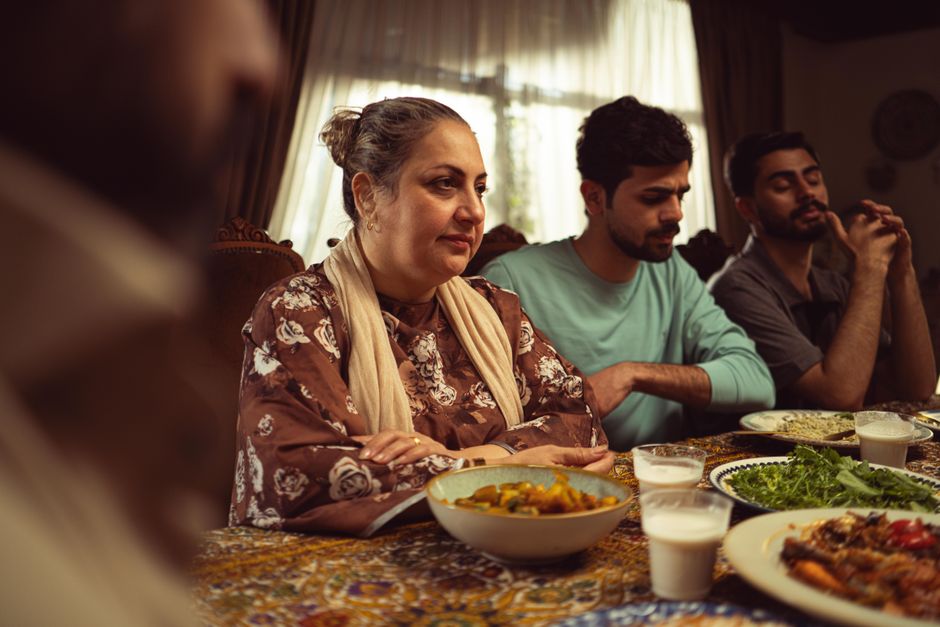
Stage 1: Profile creation
Traditional Pakistani pattern: parents write or heavily co-write the biodata for their son or daughter. Modern pattern: candidate writes the biodata with parent review and family co-account access. Both work; both should be explicit. What does not work: candidate writes alone and parents discover later, or parents write in the candidate's name without the candidate's endorsement.
Stage 2: Shortlisting
Family elder (typically parent, sometimes elder sibling or bhabhi) filters incoming interest by explicit criteria the household has agreed. Passes shortlisted candidates to the candidate for their response. Explicit criteria (biradari, city, education, career, family type, sect) reduce disagreement and speed shortlisting.
Stage 3: Background reputation check
Elder network (aunties, biradari contacts, family friends) checks reputation of shortlisted families. This is genuinely family work that candidates cannot do themselves without appearing intrusive. High-value stage; do not skip.
Stage 4: First meeting logistics
Parents host or visit; candidates attend. Extended family belongs at engagement or nikah, not first meeting. See our first meeting walkthrough for who attends and what happens.
Stage 5: Background verification
After mutual family interest, deeper verification via mutual contacts, workplace references, in-person meetings with the candidate's family friends. Elders lead this because they have the network and the standing to ask candid questions.
Stage 6: Financial and mahr negotiation
Family elder (typically father or eldest brother) conducts the financial-tier conversation with the counterpart elder. Candidates present but not primary voice. Explicit written mahr agreement is worth the small extra time; see our money questions guide.
Where family involvement genuinely helps
- Background verification. Elders can call previous employers, previous rishta contacts, and biradari friends in ways candidates cannot without appearing to be gathering intel.
- Financial negotiation. Family-to-family financial conversations happen without the transactional weirdness of candidate-to-candidate.
- Reputation gathering. Elders' networks reach families the candidates cannot reach.
- Reasonable pacing. Elders can slow a rushed process or speed a stalled one with authority the candidates lack.
- Post-meeting synthesis. Multiple perspectives (parents, siblings, candidate) produce a better decision than the candidate alone.
Where family involvement becomes friction
- Parent answering questions directed at the candidate at meetings. Reads as household where the candidate has no voice.
- Bringing eight relatives to first meeting. Overwhelms the room; signals insecurity or performing.
- Elder over-representation in decisions the couple should make together. Housing plan, career expectations, family-planning timing.
- Sibling silent sabotage. See our siblings role guide for patterns.
- Extended family gossip about the search. Word travels through biradari; controls what reaches candidate.
Explicit role allocation framework
| Role | Owner | Backup |
|---|---|---|
| Biodata writing | Candidate | Parent for review |
| Shortlisting incoming interest | Parent or bhabhi | Elder sibling |
| Background reputation checks | Elder network (aunties, biradari) | Uncle or family friend |
| First meeting hosting/attending | Parents plus candidate | One elder sibling if needed |
| Follow-up calls after meeting | Parent or bhabhi | Elder sibling |
| Financial and mahr negotiation | Father or eldest brother | Trusted family elder |
| Final synthesis and decision | Candidate + parents together |
Online: use family co-account access
The co-account model (candidate owns; parent has view + notification without shared login) is the online equivalent of traditional family-integrated search. Response rates typically double vs candidate-only accounts. See our family co-accounts guide for the specifics.
Frequently asked questions
Family role in Pakistani rishta?
Specific roles across six stages: profile, shortlist, reputation check, meeting, verification, financial negotiation. Explicit allocation beats implicit.
Where does family help most?
Background verification and financial negotiation are highest-value stages where candidates cannot substitute.
Where does family cause friction?
Micromanaging candidate at meetings, elder over-representation, extended-family gossip, sibling silent sabotage.
Search with family, keep the visibility shared
Family co-account (parent view + notifications), verified profiles, biradari and city filters. Family-integrated from day one.