
Rishta in Multan: Saraiki Belt Rishta Guide for Families
Multan as the gateway to the Saraiki belt: dominant pir-family lineages (Syed, Gardezi, Qureshi), agricultural biradaris, the Saraiki mother-tongue filter, and how joint-family households remain the norm here more than in Lahore or Karachi.
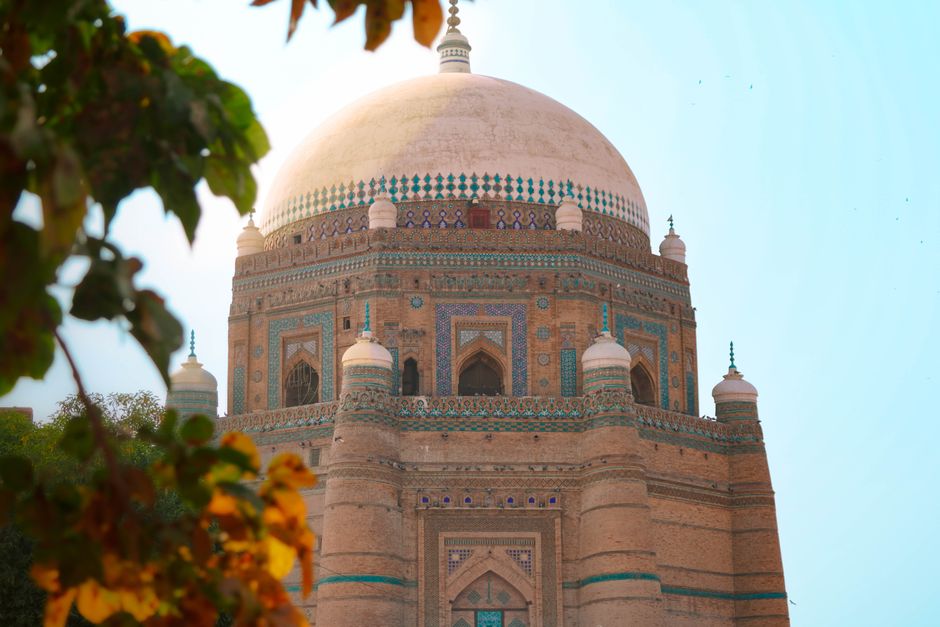
What makes Multan rishta search different
Multan sits at the crossroads of the Saraiki belt and greater Punjab. Its rishta market has three defining features that separate it from Lahore or Karachi:
- Pir-family lineages are a distinct category. Syed, Gardezi, Qureshi, and other spiritual-family khandans match largely within themselves through centuries-old networks.
- Joint-family households run higher than in urban Punjab. Newlyweds joining an existing joint household is the default expectation, not the exception.
- Biradari-internal or khandan-internal preference is strong. Cross-biradari matches happen less often than in Lahore.
The pir-family lineage category
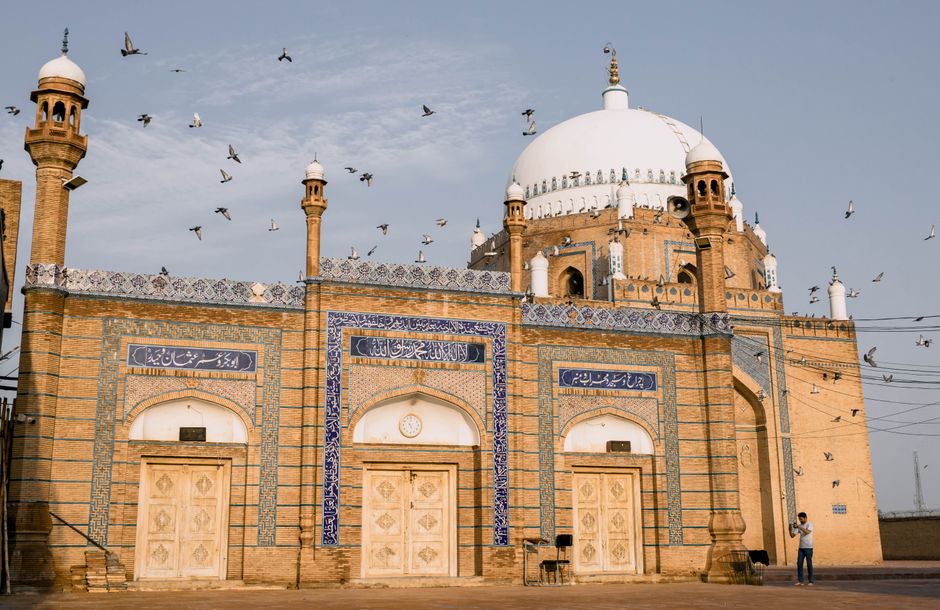
Syed, Gardezi, Qureshi, Shah, Bukhari, and other pir-family khandans in Multan and greater South Punjab operate on a distinctive matching pattern. The murid network (spiritual followers), the extended pir-family circle across South Punjab, and the historical inter-khandan alliances shape most decisions. Commercial bureaus have limited access to this category.
For pir-family searches: use online platforms as discovery tools, but expect the closing family-to-family conversation to happen through the informal channel with a respected elder from a related khandan mediating.
Landowning agricultural biradaris
Alongside pir families, the landowning agricultural biradaris dominate:
- Arain - agricultural roots, some trader and salaried presence in Multan city
- Jat - agricultural, strong presence across South Punjab
- Baloch - agricultural landowning families in the South Punjab tribal-Baloch corridor
- Rajput - some presence, less than in Lahore
- Kamboh - agricultural, mixed with trader families
These match more conventionally than pir-family lineages but still lean khandan-internal or biradari-internal in Multan more than in Lahore.
The Saraiki mother-tongue filter
Saraiki is spoken as the primary mother tongue by a large share of Multan and South Punjab families. When your family speaks Saraiki at home, filtering by mother tongue on QuickRishta concentrates the search on families likely to share broader cultural expectations too (food preferences, cousin-marriage acceptability, joint-family patterns, wedding customs).
For urban Multan families whose primary language is Urdu (recent generations, particularly in Cantt), the Saraiki filter is optional. State your mother tongue accurately on the biodata rather than defaulting to Urdu; it opens the right pool.
The Multan education pool
Two anchor institutions feed the professional rishta pool:
- Nishtar Medical University. Doctors and healthcare professionals. Distinct rishta category, well-networked across South Punjab and Karachi/Lahore diaspora.
- Bahauddin Zakariya University (BZU). Broad general pipeline including engineering, business, humanities.
Plus the mango-orchard and agri-trading economy which produces business-owning families whose sons and daughters may not always be university-educated but come from wealthy landowning backgrounds.
Multan areas
| Area | Typical demographic |
|---|---|
| Cantt | Higher-tier professional, forces-linked, urbanised Urdu-preference households |
| Gulgasht Colony | Mid-tier salaried professional |
| Shalimar Colony | Mixed professional and business |
| Old city / Chowk Bazaar | Traditional trader and khandani business families |
| DHA Multan | Newer professional-elite tier |
| Rural surroundings | Agricultural biradari-strict households, Saraiki-preference |
How to search rishta in Multan effectively
- Start with the Multan browse page. Filter by biradari or pir-family lineage, mother tongue, and criteria.
- State joint-family expectations clearly on the biodata. Do not leave it vague; a Multan search that discovers the joint-family question only at the family meeting has failed already.
- For pir-family searches: continue through the murid/khandani network. Online is discovery, not the closing channel.
- Extend geographically. Multan-adjacent Bahawalpur, RY Khan, Muzaffargarh, DG Khan all share the Saraiki cultural pool and are within reasonable reach.
A note on joint-family expectations
Multan joint-family expectations are significantly higher than in Karachi or Lahore. A candidate expecting nuclear household will find fewer Multan matches; a candidate willing to join a joint household finds a larger pool. State this clearly on the biodata to save both families time.
Second marriage in Multan
Second-marriage searches are more socially difficult in Multan than in Karachi or Lahore because of denser social networks and lower anonymity. Widow and widower searches easier than divorced (widowhood has less stigma). Use online platforms with discreet defaults and consider the wider South Punjab pool.
Frequently asked questions
What makes Multan different?
Saraiki belt cultural anchor, pir-family lineage category, higher joint-family expectations, biradari-internal preference.
Which lineages dominate?
Pir families (Syed, Gardezi, Qureshi) and agricultural biradaris (Arain, Jat, Baloch, Rajput, Kamboh). Rarely intermarry.
Search in Saraiki?
Yes if your family speaks it. Mother-tongue filter concentrates the culturally-aligned pool.
Browse Multan rishta profiles free
Saraiki filter, biradari and khandani-lineage options, South Punjab pool.