
Are Matrimonial Websites Halal? The Islamic View Explained
The scholarly framework: the medium is neutral, permissibility turns on conduct. Eight-rule halal usage protocol families can adopt, with an honest note on where scholars genuinely differ.
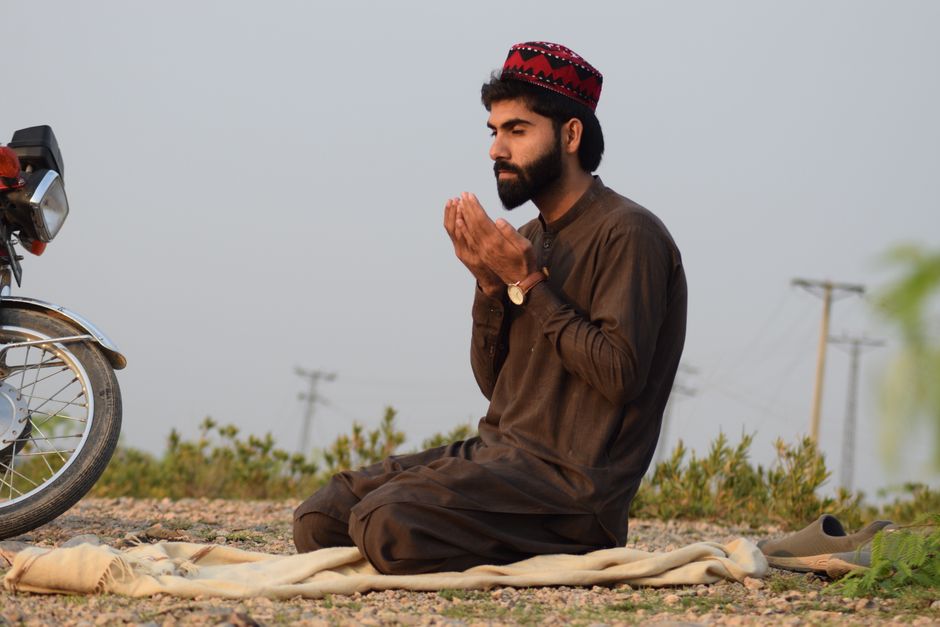
The scholarly framework
Islamic jurisprudence on marriage-purposed platforms works from three foundational principles: seeking a spouse is a legitimate and encouraged act; the medium of that search (family aunty, marriage bureau, website) is neutral by default; and permissibility of any specific medium is determined by the conduct that takes place through it.
The Council of Islamic Ideology and most Pakistani muftis working in the space treat matrimonial platforms in exactly this way: neither inherently halal nor inherently haram, permissibility contingent on use. This is different from platforms designed for dating or casual relationships, which are treated as intrinsically problematic because their design assumes conduct that Islamic ethics prohibits.
Conditions that make platform use clearly acceptable
Mainstream scholarship converges on six conditions:
- Purposeful use. The intent is nikah, not extended conversation.
- Wali or family involvement. A woman's guardian is engaged from an early stage; the platform's family co-account feature supports this directly.
- Honest disclosure. Real name, real age, real marital status, real family details. Misrepresentation is a separate Islamic prohibition regardless of medium.
- Avoiding khalwa. No extended private conversation; move to family involvement quickly.
- Awrah respected. Photos, if used, follow the same modesty rules that apply offline.
- Prompt movement to family meeting. The platform is discovery; the real evaluation is family-to-family.
Contrast with dating apps
The design differences between matrimonial platforms and dating apps map to the fiqh distinction:
| Feature | Matrimonial platform | Dating app |
|---|---|---|
| Purpose stated | Marriage | Casual to open-ended |
| Family visibility | Family details public; co-account standard | Individual, private |
| Conversation length | Weeks; moves offline fast | Extended chat expected |
| Marital status filter | Central | Rare or absent |
| Photo defaults | Often private or restricted | Public swipe-friendly |
The photograph question
This is where scholarly opinion genuinely differs. Three positions summarised:
- Face photos with modest dress permitted from the start. The Hanafi and Shafi'i mainstream position that the face is not part of awrah for a woman in most contexts extends to matrimonial photo sharing where the intent is nikah.
- No photos on public profile; describe through family. A more cautious position particularly common among Deobandi scholars, that photo sharing invites unnecessary gaze.
- Photos only after mutual interest is established. A middle position gaining acceptance: the initial profile has no photo; after both families indicate interest through the platform's structured signals, a private photo exchange happens with mutual consent.
QuickRishta's four photo-privacy modes (public, blurred-to-guests, viewer-approval, private-until-match) let a family select whichever position their scholar of choice endorses. Choose the one that matches your family's practice.
Eight-rule halal usage protocol
- Set an explicit marriage timeline (6-12 months typical) before creating a profile.
- Involve the wali or family from profile creation, not after a match appears.
- Fill all structured fields honestly; leave nothing exaggerated.
- Choose the photo privacy mode that matches your family's scholarly position.
- Cap messaging exchanges at 5-10 before proposing a family video call.
- Move from video call to in-person meeting within 3-4 weeks.
- Do not maintain simultaneous "getting to know" conversations with multiple candidates at the same intensity - one at a time, or several at exploratory-only depth.
- Close honestly: accept or decline within a week of deciding.
On scholar review of specific platforms
Some Pakistani platforms have obtained certification from specific ulema councils; QuickRishta operates on the framework above rather than a specific certification, since certifications are personal to the scholar issuing them and do not bind other schools. Families who want a specific mufti's ruling on platform use should ask their own scholar directly, sharing the design details (photo privacy modes, family co-account, messaging limits, disclosure requirements). Any qualified mufti will give a considered answer within that framework.
What actually crosses the line
Conduct that is problematic offline is problematic online too. On any matrimonial platform, the following would be Islamically problematic:
- Extended private chat with no genuine marriage intent
- Multiple simultaneous romantic-tone conversations
- Sharing photos designed to attract rather than describe
- Misrepresenting age, marital status, or family details
- Building emotional dependence without moving toward nikah
None of these are unique to online platforms; they are simply the offline problems translated to a digital medium. The medium does not create them; conduct does.
Frequently asked questions
Are matrimonial websites halal?
Medium is neutral. Permissibility turns on conduct: purposeful use, wali involvement, honest disclosure, avoiding khalwa, respecting awrah, prompt move to family meetings.
What makes use problematic?
Behaviour that would be problematic offline: extended private messaging, dating-like chat, immodest photos, misrepresentation.
Do scholars differ on photos?
Yes. Three main positions: face-photos with modesty permitted, no photos, or photos only after mutual interest. Platform features should support each.
Halal usage from step one
Family co-account, four photo privacy modes, honest structured fields. The design supports the conduct.