
Pakistani Marriage Traditions and Questions to Discuss Before You Say Yes
The Pakistani wedding sequence (mangni, mehndi, baraat, walima) explained plus the family-to-family discussion checklist every couple should walk through before formally agreeing.
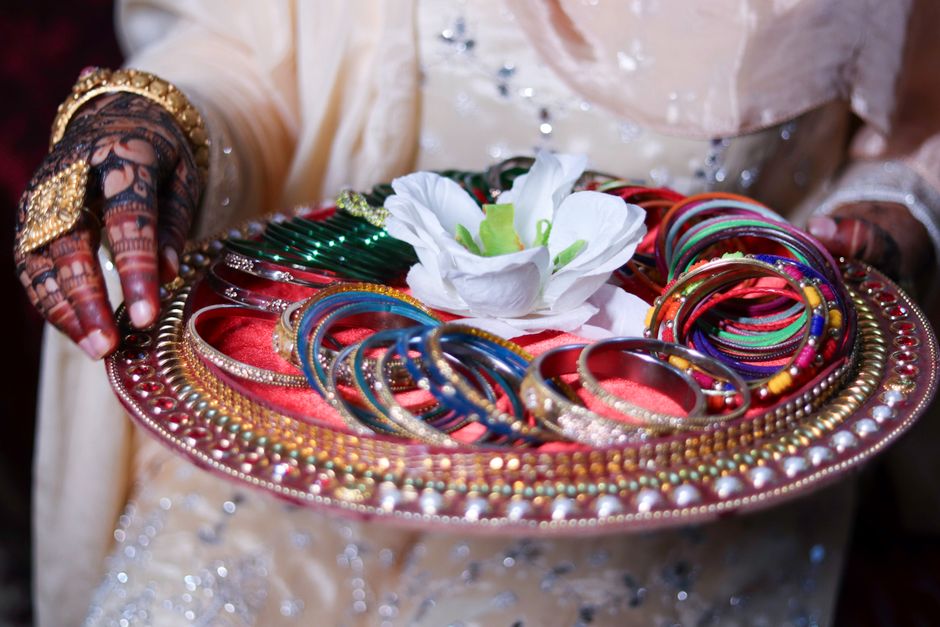
The Pakistani wedding sequence
The traditional Pakistani Muslim wedding sequence has recognisable stages, though scale and formality vary widely by family, region, and community. Understanding the sequence helps families plan realistically and avoid the surprise that comes when one side expects a large-format wedding and the other expects a modest one.
| Stage | What it is | Typical timing |
|---|---|---|
| Baat pakki | Families agree in principle; sometimes a small home ceremony | 1-6 months before mangni |
| Mangni (engagement) | Formal engagement; rings exchanged, sometimes small gathering | 1-12 months before nikah |
| Mayoun | Small pre-wedding ritual (bride's family) | 1-3 days before nikah |
| Mehndi | Henna evening, music, family gathering | 1-2 days before nikah |
| Nikah / Baraat | Nikahnama signed; boy family arrives for reception | Wedding day |
| Walima | Reception hosted by boy family after nikah | 1-5 days after nikah |
Not every family follows every stage. Some omit mayoun; some combine mehndi and nikah into a single day; some hold walima weeks later; some hold a simple nikah with only walima. Discuss what your family expects and what the other family expects; the answer surprises many couples on both sides.
Wedding scale expectations
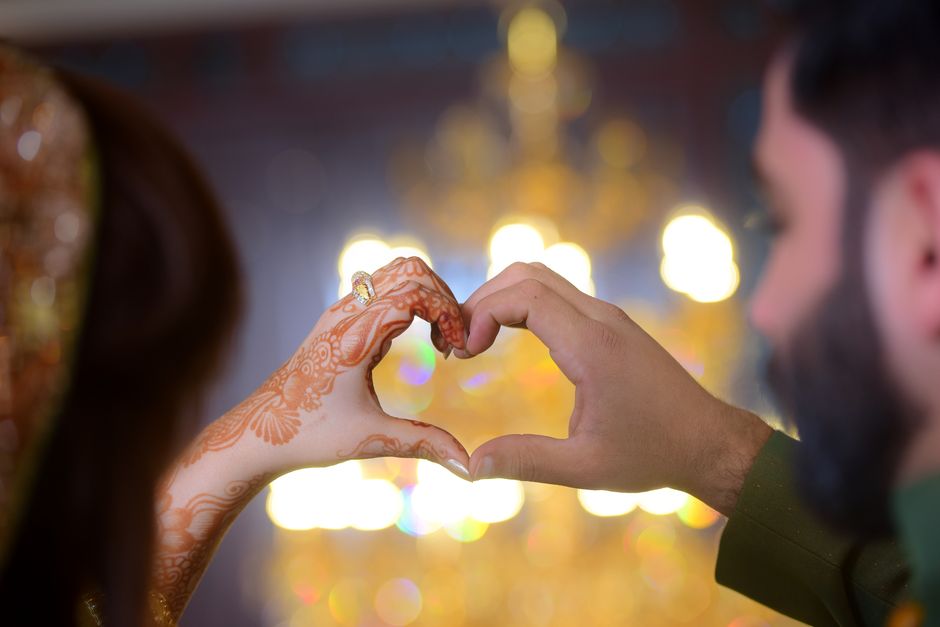
Wedding cost expectations in Pakistan span two orders of magnitude across families. From a simple masjid nikah plus one shared meal (PKR 100,000-300,000 total) to elaborate multi-event weddings with 500+ guests (PKR 5,000,000+ total). Neither is universally right; both fit different family contexts and finances.
Discuss scale expectations openly before baat pakki:
- How many guests will each family invite?
- How many events will there be?
- Who pays for what event?
- Venue expectations (home vs marquee vs banquet hall vs 5-star)
- Dress and jewellery expectations
Family-to-family discussion checklist before saying yes
Between the second meeting and baat pakki, walk through this checklist. Absence of alignment on these items predicts marriage difficulty; alignment early makes wedding planning and married life significantly easier.
Housing and living arrangement
- Joint or nuclear post-nikah?
- Which city, which area?
- Own house, rented, or family house?
- If joint, is that permanent or transitional?
Wife's career after nikah
- Will she continue her career?
- What if she gets a transfer or promotion requiring relocation?
- What about after children?
- Is there family support for childcare if both work?
Household money
- Whose income pays what part of household expenses?
- Joint account or separate?
- Wife's salary treatment if she works
- Emergency fund arrangement
Mahr amount and timing
- Amount agreed in principle before nikahnama drafting
- Prompt or deferred?
- Get this in writing on the nikahnama; do not leave it verbal
Family involvement post-nikah
- Frequency of wife's visits to her parents
- Boy family's expectations of the daughter-in-law's household role
- Extended-family involvement in couple decisions
Children and timeline
- How soon do both families expect children?
- How many, and any specific views?
- Childcare arrangement (mother, in-laws, hired help)
Wedding scale and split
- Number of events and guest counts
- Who pays for which event
- Venue and vendor expectations
- Timeline from baat pakki to nikah
Cross-border considerations (if applicable)
- Which country will the couple settle in?
- Visa timeline and process for the spouse joining
- Visits back to Pakistan expected
- Career impact of the relocation
How to conduct the discussion
Frame as planning, not interrogation. Family elder (typically parent or eldest brother) leads the higher-stakes items (housing, mahr, financial split); the couple can address the daily-life items directly with each other in supervised setting. Written notes from the discussion belong in a shared file both families can reference before nikahnama drafting.
See our money questions guide and questions a girl should ask for specific phrasings.
The simple-nikah option
Increasing number of Pakistani families are opting for simpler weddings, particularly in professional-elite tiers and among second-marriage seekers. Simple masjid nikah plus one walima meal is legitimate, religiously encouraged, and financially responsible. Discuss whether both families are aligned on scale before assuming defaults.
Regional and community variations
Punjabi, Sindhi, Pashtun, Baloch, Kashmiri, Memon, Gujarati, and diaspora Pakistani communities all have local variations on the standard sequence. Do not assume the counterpart family knows or does your specific customs; explicit conversation avoids the mid-wedding "but we always do it this way" surprise.
Frequently asked questions
Typical Pakistani wedding sequence?
Baat pakki, mangni, mayoun, mehndi, nikah/baraat, walima. Not every family does every stage.
What must families discuss before saying yes?
Housing, wife career, money, mahr, family involvement, children timeline, wedding scale, cross-border plans.
When to have the discussion?
Between second meeting and baat pakki. Not first meeting; not after baat pakki.
Start with the right family conversation
Verified profiles, family co-account, biradari and city filters. Family-integrated from day one.