
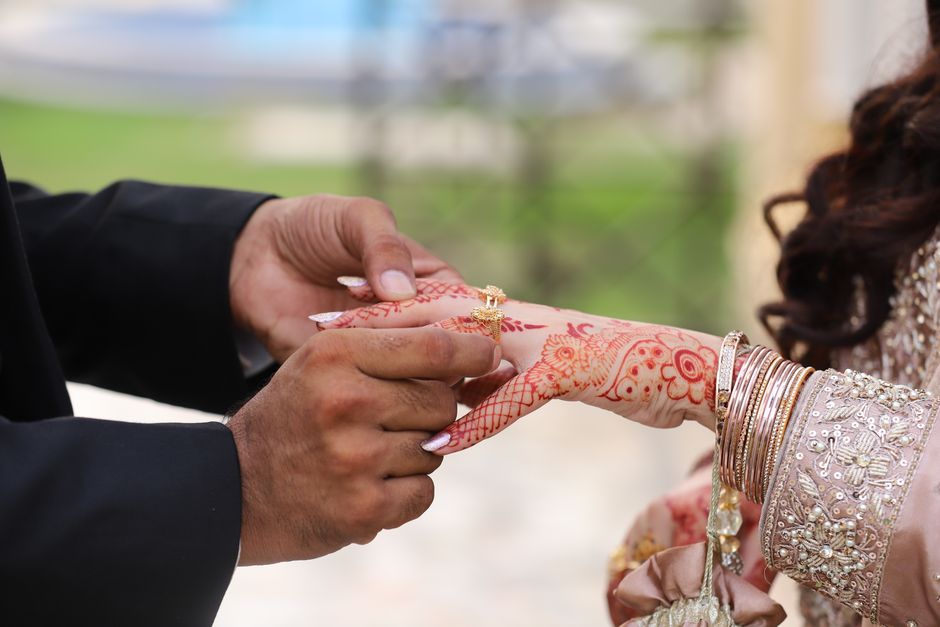
Naming the filter honestly
Height is one of the two or three most common filters Pakistani families apply to rishta biodatas. It has no bearing on marriage quality, character, health of the marriage, or the wellbeing of the children. It is a preference, not a criterion. Naming it that way is the first step to handling it well.
Both sides suffer mirror versions. Men shorter than 56" report their profiles being filtered out before anyone reads the substance. Women taller than 55" report families withdrawing after seeing the number. Same prejudice, different genders. The arithmetic is the same too: aggressive height filtering removes most of the pool for no gain in match quality.
How to state height on a biodata
Factually and in the units the reader expects. In Pakistan, that is feet and inches. State it in the structured field. Do not omit it. Omission triggers suspicion; a missing height field reads as "hiding something", which is worse than any actual number.
A stated 5'6" that turns out to be 5'5" at the meeting damages trust more than any single inch could have. The families that will accept 5'5" honestly are a different set from those who need 5'6"; misrepresenting to reach the second set only closes the meeting with the first.
A section for shorter men

Practical handling:
- Lead the biodata with substance. Occupation, education, family situation, character. The height number appears in a structured field, not the prose.
- Respond to height questions at meetings factually. "I am 5'4"" - full stop. Do not apologise. Apologising for something you cannot change signals you accept the framing that height defines your worth. It does not.
- Widen your age band upward. Families with women 28+ apply height filters more loosely than families with women 22. Small adjustment; significant effect.
- Consider families with taller daughters. A 5'5" woman looking for a 5'8" man has a small pool. The same 5'5" woman looking for someone within 2 inches of her own height (which is medically all that matters for anything) has a large one. Being that widening is on the woman's side, but its presence in your outreach message helps.
A section for taller women
Taller women often face families withdrawing after seeing a number that most men would not have noticed in person. Two rules:
- State the height. Do not wear flat shoes to hide it. Hiding at the first meeting creates the exact moment of embarrassment for the other family when reality asserts itself. Naming it in the biodata means anyone who arrives has arrived knowing.
- Filter your incoming interests wider on the man's side. Do not require your 57" to see a 6'0" match. A 5'8" partner works just as well; a 5'6" partner is not a scandal.
A section for parents
If you are searching on behalf of your child, the height math is worth thinking about. Requiring a height difference of five inches or more removes most of the pool. That has an obvious cost: your search takes longer. It has a less obvious cost: you eliminate matches that would have worked in every other dimension.
The families we speak with who close rishtas well usually approach height as: "prefer a range, will consider outside it if everything else fits". That framing produces good outcomes. The framing "must be above 5'8" or we do not consider it" produces long searches and eventually a compromised match anyway.
Scripts for the meeting
"I am {factual height}. Beyond that we would rather use this time to know each other properly."
"We would prefer to focus on what we can build together rather than measurements. If height is a deal-breaker for you, please tell us now so neither family loses time."
"Yes, my daughter is taller. It has never once caused an issue in her life. Family fit and character are what we are here to evaluate today."
The reframe worth adopting
A filter that costs you good matches is a bad filter. This applies to height, complexion, weight, and every other appearance-based preference. Filters that add signal (career fit, deen level, family type, geographic feasibility) are worth using strictly. Filters that only add noise (appearance metrics that do not correlate with marriage quality) are worth using loosely.
The families that close rishtas within a year almost always apply loose appearance filters and strict substance filters. The families who search for three years and settle usually did the opposite.
Frequently asked questions
Should shorter men lie about height?
No. Omission and misrepresentation both blow up at the first meeting.
Is height a valid filter?
Families apply it; that does not make it a good filter. Loose filters produce shorter searches.
What if the girl is taller than the boy?
Name it neutrally at meeting one. Pretending it does not exist is what makes it a deal-breaker.
Filter on what matters
Verified profiles across height ranges. Filter loose on appearance; strict on the things that predict marriage quality.